
2048
 2048 AnimalsNot in favourites
 2048 Balls PuzzleNot in favourites
 2048 MergeNot in favourites
 2048 ChampionNot in favourites
 2048 Land VehiclesNot in favourites
 2048ColourBallsNot in favourites
 2048 DecksNot in favourites
 2048 X2 LegendNot in favourites
 2048 Air VehiclesNot in favourites
 2048 FoodiesNot in favourites
 2048 Hex Chain MergeNot in favourites
 2048 Number BallNot in favourites
 2048 BallzNot in favourites
 2048 Level 12Not in favourites
 2048 X2 Merge BlocksNot in favourites
 2048 Classic Puzzle - ChallengeNot in favourites
 20482048Not in favourites
 2048 - Blocks DestructionNot in favourites
 2048 ClickerNot in favourites
 2048 Cube RunNot in favourites
 2048 Puzzle Challenge - Number Merge Mania!Not in favourites
 2048 Match BallsNot in favourites
 2048 Number MatchNot in favourites
 2048 Sea VehiclesNot in favourites
 2048 DogsNot in favourites
 2048 Wood BlockNot in favourites
 Zombie 2048: Mutant EvolutionNot in favourites
 Fit CatsNot in favourites
 Fruit FestivalNot in favourites
 Merge RingsNot in favourites
 Animal Match 2Not in favourites
 Emoji BlushNot in favourites
 Number NexusNot in favourites
 Chain Cube 2048 3D Merge GameNot in favourites
 Merge Leaf Autumn VibeNot in favourites
 Hexa MergeNot in favourites
 Merge SquaresNot in favourites
 Double the NumbersNot in favourites
 Drop the Number - Merge GameNot in favourites
 Halloween Merge ManiaNot in favourites
 Merge AnimalsNot in favourites
 Merge Block 2048Not in favourites
 Watermelon MergeNot in favourites
 Dimensional Rift 2048Not in favourites
 Double UpNot in favourites
 Mega Watermelon MergeNot in favourites
 Tung Tung Sahur Play With NumberNot in favourites
 Animal StackersNot in favourites
 Blend FruitsNot in favourites
 Block 2048Not in favourites
 Chain Cube 2048 3DNot in favourites
 Falling FruitsNot in favourites
 Farm 2048Not in favourites
 Merge Craft 2048 3D PuzzleNot in favourites
 Merge CubesNot in favourites
 Merge RoyalNot in favourites
 Merge the Coins USSR!Not in favourites
 Atomic Merge 2048Not in favourites
 Color Pop 3Not in favourites
 Cubatoria Merge 2048Not in favourites
 Dice Puzzles Flowers!Not in favourites
 Drop N MergeNot in favourites
 DropBopNot in favourites
 Fruit PartyNot in favourites
 Hex-2048Not in favourites
 Match 4Not in favourites
 Merging Easter EggsNot in favourites
 NumNumNot in favourites
 Watermelon mergeNot in favourites
 Clay 2048Not in favourites
 Dice Puzzle FruitsNot in favourites
 Falling Numbers - 2048 puzzleNot in favourites
 Fruity PopNot in favourites
 FruzzleNot in favourites
 Kitchen Room MathNot in favourites
 M2 Blocks 2048Not in favourites
 Magic 2048Not in favourites
 Merge and Blast 2048Not in favourites
 Merge DiceNot in favourites
 Merge Planets Space!Not in favourites
 Merge Small FruitsNot in favourites
 Merge the Balls 2048 Billiards!Not in favourites
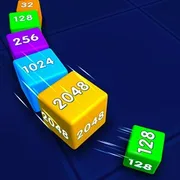 Snake 2048.ioNot in favourites
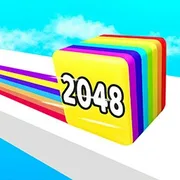 Jelly Run in 2048Not in favourites
 Merge Grabber Race to 2048Not in favourites
 ShockwavesNot in favourites
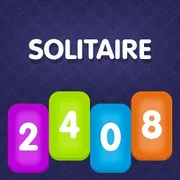 Solitaire Puzzle 2048Not in favourites
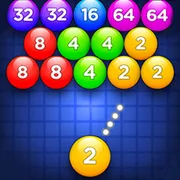 Number Bubble ShooterNot in favourites
 Pizza Maker 2048Not in favourites
 SugarRushPathsNot in favourites
2048 Games: Simple Rules, Satisfying Challenges
Some puzzles need pages of instructions. Others make sense after a single move. 2048 games belong to the second group, inviting you to combine matching numbers, create larger values, and see how far a thoughtful strategy can take you. The idea is easy to understand, but the decisions become more interesting as the board fills up. A move that looks helpful now might leave you with fewer options later. That balance between quick progress and careful planning is what makes these games so easy to return to.
At the heart of the classic 2048 puzzle is a straightforward goal: bring matching numbered tiles together to form a higher number. Two small tiles become one larger tile, and each successful combination moves you closer to the next milestone. The real challenge lies in managing the space around them. When tiles begin to crowd the board, even a simple shift can change the direction of a round. There is no need to rush. Often, the best move is the one that keeps several possibilities open.
Discover Different Ways to Play 2048
What makes this category especially enjoyable is how many ways that basic idea can be reimagined. Some games stay close to the familiar grid, rewarding tidy arrangements and patient decisions. Others replace sliding tiles with bouncing balls, falling blocks, rolling cubes, or colorful objects that merge when they meet. You might be lining up numbers one moment and guiding pieces into place the next. The rules vary, but the satisfying moment of watching two matching pieces turn into something bigger remains at the center.
There are also playful variations that trade plain numbers for animals, food, vehicles, or other visual themes. These changes do more than give the board a different look. They can make progress feel like a collection slowly coming together, with each new merge revealing another stage. Hexagonal layouts and three-dimensional puzzles bring their own spatial challenges, asking you to think beyond the usual rows and columns. If you enjoy familiar mechanics but like discovering a new twist, there is plenty here to explore.
A Little Strategy Goes a Long Way
Good 2048 play is less about making every possible match and more about thinking ahead. Keeping your highest-value pieces in one area can make a traditional grid easier to manage, while leaving room for smaller tiles to combine. In drop-and-merge variations, it helps to consider where pieces will land and what might get trapped beneath them. A little patience goes a long way. Instead of chasing the largest number immediately, build combinations that give you flexibility when the board becomes crowded.
These games also fit neatly into different kinds of breaks. A short session can be a pleasant way to reset your attention between tasks, while a longer one offers space to experiment with different strategies. There is something rewarding about noticing improvement over time: recognizing a risky move sooner, creating a better chain of merges, or reaching a number that seemed out of reach before. Even when a round ends earlier than expected, starting again feels inviting because you already have an idea of what to try differently.
Find Your Next Favorite 2048 Puzzle
The 2048 collection on XEZEZ.COM brings together familiar number puzzles and more imaginative merging challenges in one place. Whether you prefer the clean logic of numbered tiles or the lively movement of balls, blocks, and themed pieces, you can choose the style that suits your mood. Some experiences encourage slow, deliberate play; others reward quick reactions and adapting as the screen changes. That variety makes the category welcoming to newcomers without leaving experienced puzzle fans short of fresh challenges.
Perhaps the best thing about 2048 games is how clearly they show the results of your choices. A neat sequence of merges can feel like solving a small mystery, while one awkward move teaches you something for the next attempt. You do not have to master every strategy or reach the same target every time to enjoy the process. Pick a puzzle that catches your eye, make your first match, and follow the numbers wherever they lead. The next satisfying combination is usually only a few moves away.